Showing posts with label Gardening. Show all posts
Showing posts with label Gardening. Show all posts
Tuesday, October 23, 2012
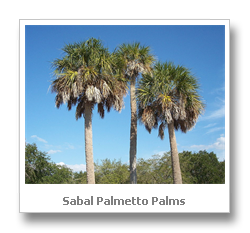
Florida‘s State Tree. Palm Mostly Right

Tuesday, August 21, 2012
Newspaper Reports on Spiral Whitefly Invasion
Last week, the Palm Beach Post ran a story on the Rugose spiraling whitefly invasion (Whiteflies hit Palm Beach County homeowners’ trees, plants, pools, Aug. 16, 2012). If you’re a regular reader of this blog, then you knew about the Rugose spiraling whitefly more than two weeks earlier (The Spiral Whitefly Invasion – A New Pest in Town, Aug. 1). We don’t want to brag about our timeliness; the Post certainly has more resources than us. But, it does beg the question (with apologies to Ghostbusters):
If there's somethin' strange in your yard
Who ya gonna call? (Insect Pest Control)
If it's somethin' weird an it don't look good
Who ya gonna call? (Insect Pest Control)
Wednesday, July 18, 2012

Monday, June 11, 2012
Poisonous Plants
She comes on like a rose but everybody knows
She'll get you in Dutch
You can look but you better not touch
Poison iv-y-y-y-y, poison iv-y-y-y-y
Late at night while you're sleepin' poison ivy comes a'creepin'
Arou-ou-ou-ou-ou-ound
The Coasters, Poison Ivy (Leiber & Stoller, 1959)
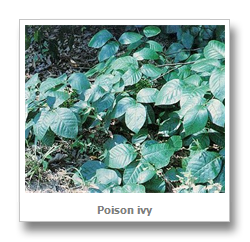
The 1950’s were a more innocent time than today. In their 1959 hit Poison Ivy, The Coasters weren’t singing about poison ivy, the plant, but about another kind of poison, which wasn’t discussed much in public then. Today, however, we’ll stick with the plant and other plants used for beautification in and around Florida homes that are irritating if they come in contact with the skin, like poison ivy, and others that are toxic if eaten.
Poison Ivy
Wednesday, May 23, 2012
Mighty Mite Is On Its Way to a Palm Near You

Sucks the Life Out
Bright red with a long, spatulate body, this “mighty mite” is known to feed and reproduce on at least 32 palm species, bananas, gingers and heliconias. This pest lives for about 26 days. It thrives on the underside of leaves and fronds and in high numbers causes yellowing of the leaves followed by death of plant tissue. They stick their sucking snouts into the stomata of leaves and feed directly from deep within the leaf. This causes mechanical damage to the stomata so that they are no longer able to close and the leaf dries out.
Monday, March 26, 2012
Chinch Bugs #1 Enemy of St. Augustine Grass

Monday, March 5, 2012
Weeds Are Plants Growing in the Wrong Place
Weeds are plants, too. They don’t get no respect, though, because they’re growing in the wrong place, such as your lawn, garden and even cracks in the pavement. If left untreated, weeds will spread to compete with the grass for space, food and light. In the end, they will ruin the look of your lawn.
Click to play
Subscribe to:
Posts (Atom)